Case Study: Post-Fire Restoration in the Stanislaus National Forest
Project Partners: California Conservation Corps & U.S. Forest Service
Location: Yosemite Region / Groveland Ranger District, CA
Terrain & Fuel Type: Steep Sierra Nevada Mixed-Conifer Forest
The Ecological Challenge
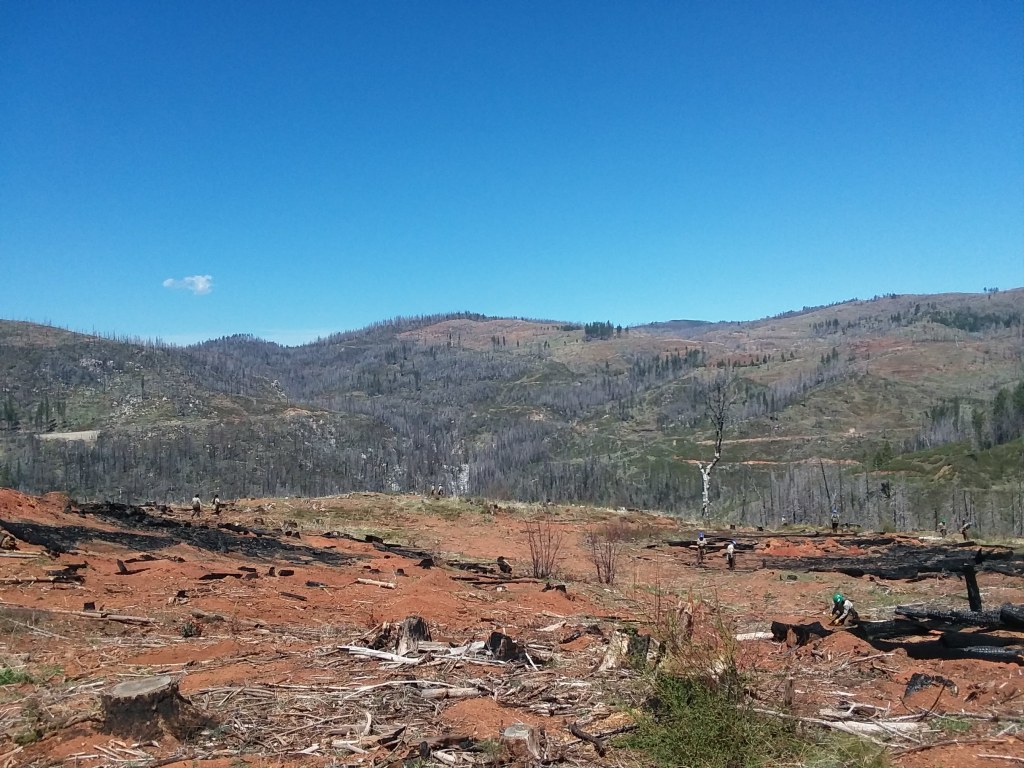
The 2013 Rim Fire was a landscape-altering event, scorching 257,314 acres and leaving behind vast swaths of high-severity burn patches. In the aftermath of such high-intensity fires, natural forest regeneration is severely compromised. Highly competitive, fire-adapted shrub species quickly colonize the bare soil, monopolizing limited ground moisture and sunlight.
Without active, targeted silvicultural intervention, these emerging brush fields choke out newly planted conifer seedlings, halting natural forest succession and leaving the watershed vulnerable to severe soil erosion. Reforesting an ecosystem on this scale requires a rigorous, multi-decade commitment to acre-by-acre physical labor and precise vegetation management.
Professional Field Operations
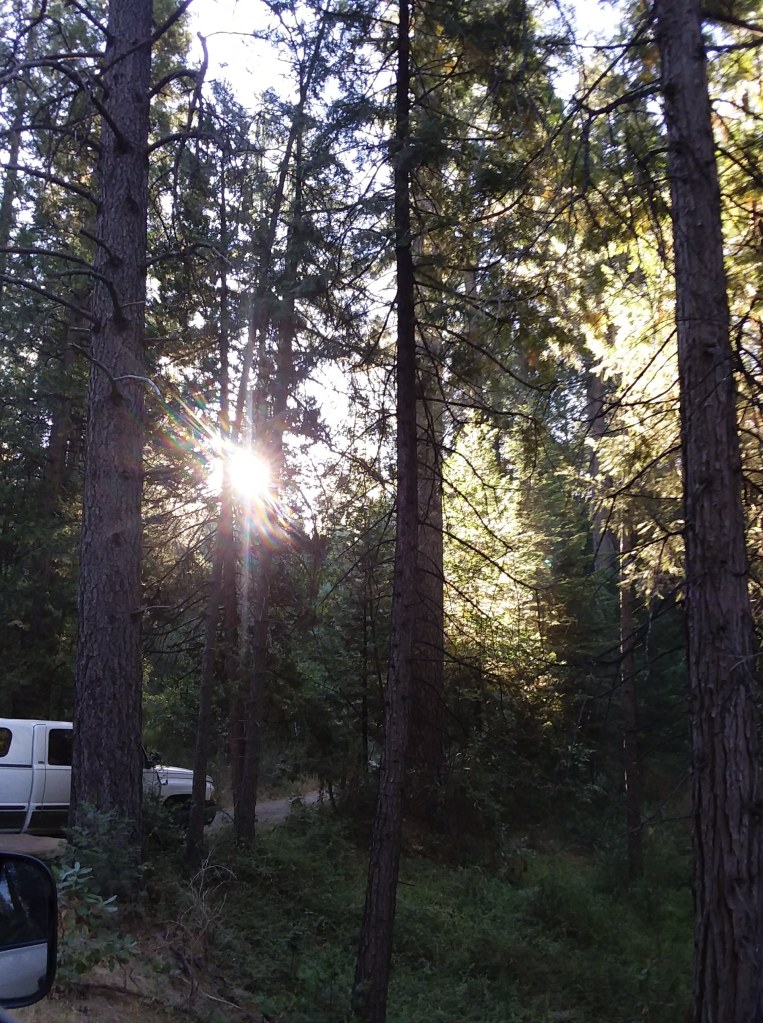
Operating from a remote backcountry spike camp for six consecutive months, our crew executed critical post-fire recovery and ecological restoration contracts under demanding summer field conditions.
- Seedling Release & Moisture Management: Utilizing specialized hand tools (including Pulaskis and McLeods), we manually cleared competing, thirsty brush from the immediate radius of young, planted conifer seedlings. This targeted resource-release technique ensured vulnerable root systems could access vital water and nutrients during critical drought periods.
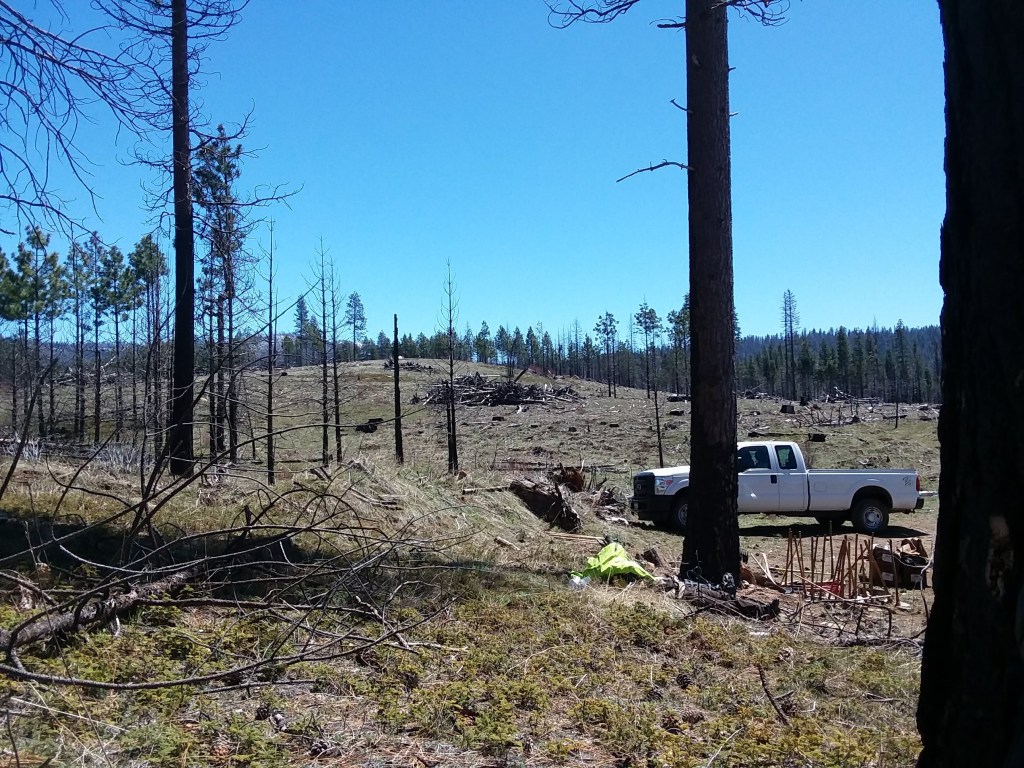
- Selective Thinning & Fuel Reduction: To guide the stand toward a resilient, historic forest structure, we performed chainsaw felling operations. By thining out dense, small-to-medium understory conifers, we broke up continuous ladder fuels and reduced resource competition, allowing the healthiest legacy trees to grow larger and develop natural fire resistance.
- Slash Mitigation & Hazard Abatement: We bucked, limbed, and processed fire-damaged timber and woody debris. Material was systematically chipped or consolidated into strategic winter burn piles, drastically lowering the ground fuel loads and mitigating future re-burn hazards.
Long Stewardship Impact
Forestry is measured in decades, not seasons. The intensive manual release and thinning work performed by our crew secured the vital establishment phase for thousands of young conifers. Over the next 50 years, these protected seedlings will mature into a 60-to-70-foot canopy, successfully restoring the timber stand, protecting critical wildlife habitat, and stabilizing the regional watershed.
Bringing Forestry Expertise to Your Property
The exact same scientific principles and rigorous field safety standards used to restore national forests are the foundation of our private land management services. Whether you need to establish defensive space, clear fuel loads, or restore native habitat, we bring elite, agency-grade forestry experience directly to your land.
 Clover Land Stewardship
You must be logged in to post a comment.